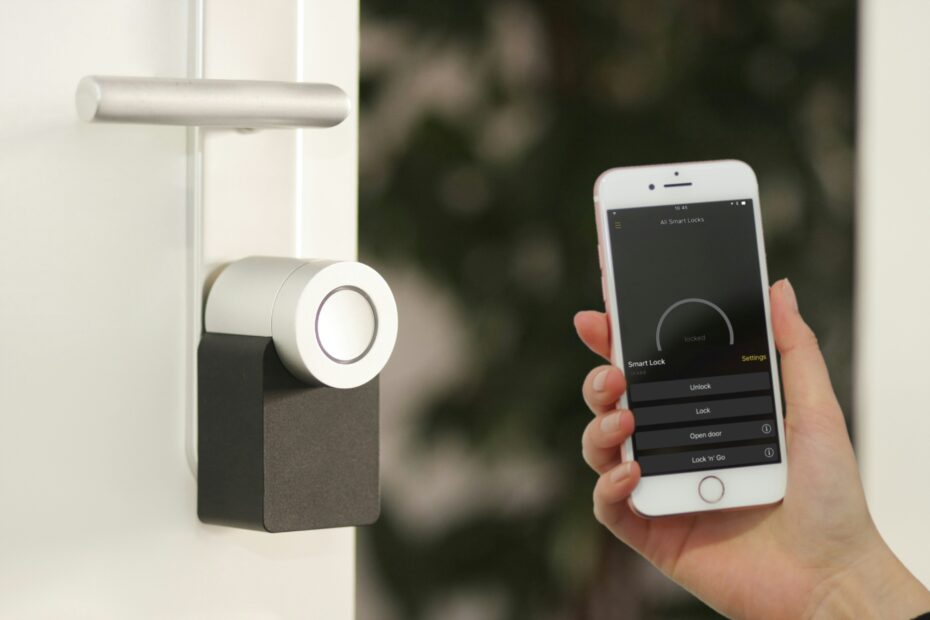
Millions of homes worldwide are equipped with smart devices that offer unprecedented levels of convenience, control, and connectivity. From managing energy use to enhancing security and automating daily tasks, IoT is transforming the way that we as a human race now live at home, as well as quite frankly the way we live our day to day.
What Is a Smart Home?
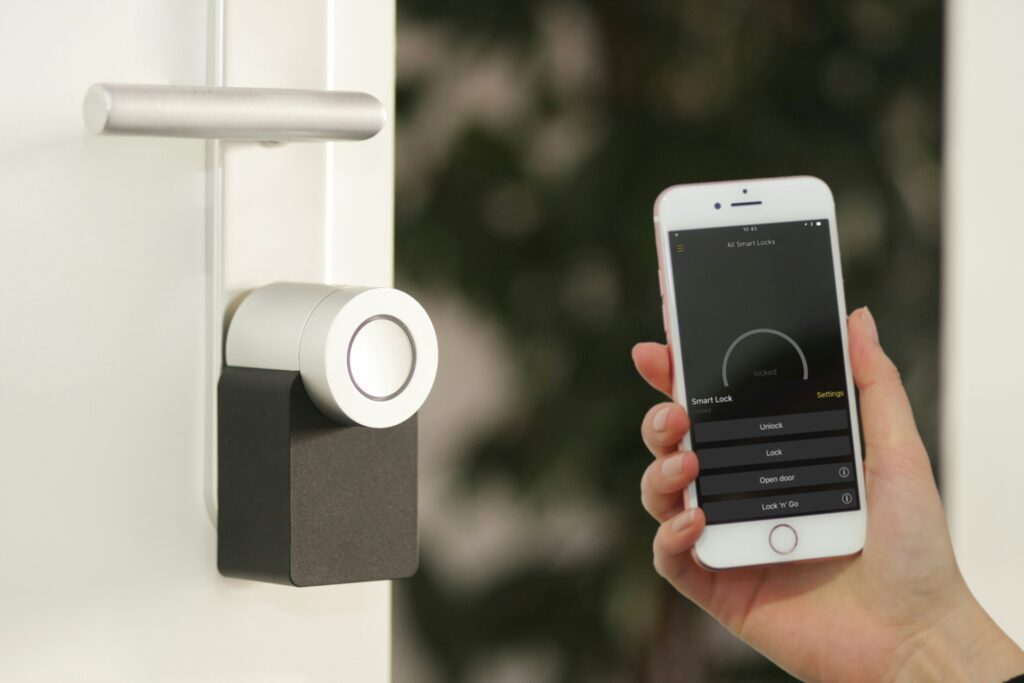
A smart home is a residence that uses IoT-enabled devices to automate and manage various household functions & tasks. These devices are interconnected through a network—often the home’s Wi-Fi—and can be controlled remotely via smartphones, tablets, or voice-activated assistants like Amazon’s Alexa, Google Assistant, or Apple’s Siri.
The defining feature of a smart home is its ability to “think” and adapt to the needs of its occupants, learning from their behaviours and preferences to provide personalized experiences.
For greater definition, see here.
Key Features of a Smart Home
Smart Lighting One of the most common smart home features is smart lighting. These systems allow homeowners to control lights remotely, schedule lighting patterns, and adjust brightness levels. For instance, lights can be programmed to turn on automatically when someone enters a room or to dim gradually in the evening to promote better sleep. Smart lighting not only adds convenience but also contributes to energy savings. Lights can be set to turn off when a room is unoccupied, reducing unnecessary electricity use.
Smart Thermostats Smart thermostats are another popular feature in IoT-enabled homes. These devices learn from the inhabitants’ temperature preferences and adjust the heating or cooling accordingly. Over time, they can optimize energy use, resulting in significant cost savings. For example, a smart thermostat might lower the temperature when the house is empty during the day and start warming it up just before the residents return home. This automation ensures comfort without wasting energy.
Home Security Systems IoT has revolutionized home security, offering more effective and accessible solutions for home protection than traditional systems. Smart security systems often include cameras, motion sensors, and door/window sensors that can be monitored and controlled remotely. Homeowners can receive real-time alerts on their smartphones if suspicious activity is detected, view live camera feeds, and even communicate through doorbell cameras. These systems offer immense peace of mind by allowing homeowners to keep an eye on their property from anywhere in the world.
Smart Appliances From refrigerators that can notify you when you’re out of milk to washing machines that schedule cycles during off-peak hours, smart appliances are making household chores more manageable and efficient. These devices often come with companion apps that provide users with remote control capabilities, energy usage reports, and maintenance alerts. For instance, a smart refrigerator might include a camera that allows you to check its contents from your phone while grocery shopping, or an oven that can be preheated remotely, so it’s ready when you get home.
Voice-Activated Assistants The rise of voice-activated assistants has made controlling smart home devices easier and more intuitive. These assistants, such as Alexa or Google Assistant, can manage everything from playing music and setting reminders to controlling lighting, security systems, and appliances—all through simple voice commands. Voice activation adds an additional layer of convenience, particularly for individuals with mobility issues or those who prefer hands-free operation.
Benefits of IoT in Smart Homes
Convenience The most obvious benefit of a smart home is convenience. With IoT-enabled devices, many routine tasks can be automated or controlled remotely, saving time and effort. Whether it’s adjusting the thermostat from your bed or turning off all the lights with a single command, smart home technology simplifies daily life and makes it even more accessible.
Energy Efficiency Smart homes are often times way more energy-efficient than traditional homes. IoT devices can optimize the use of electricity, water, and gas, leading to lower utility bills and a reduced environmental footprint. For example, smart irrigation systems adjust watering schedules based on weather conditions, ensuring that water is used efficiently.
Enhanced Security IoT has greatly improved home security. Smart locks, cameras, and sensors provide real-time monitoring and control, making it easier to protect your home. Additionally, the ability to receive instant alerts allows homeowners to act quickly in case of a security breach.
Personalization Smart home devices learn from the habits and preferences of their users, offering personalized experiences. For instance, a smart lighting system might gradually wake you up with a simulated sunrise, or a smart thermostat might adjust the temperature based on your past behaviour, ensuring optimal comfort.
Remote Access One of the most significant advantages of IoT in smart homes is the ability to control devices from anywhere. Whether you’re at work, on vacation, or just in another room, you can manage your home’s systems through a smartphone or tablet.
Challenges and Considerations
While smart homes offer numerous benefits, they also present several challenges:
Privacy and Security With increased connectivity comes increased risk. Smart home devices collect a vast amount of data, and if not properly secured, this data can be vulnerable to hacking. Ensuring robust cybersecurity measures are in place is crucial to protecting your privacy.
Compatibility Not all smart devices are compatible with each other. This can lead to frustration when trying to integrate various systems into a cohesive smart home network. It’s important to research device compatibility and consider investing in ecosystems that are designed to work together.
Cost While the price of smart home technology has decreased over the years, it can still be expensive to fully outfit a home with IoT devices. However, many homeowners find that the long-term benefits, such as energy savings and increased security, justify the initial investment by a landslide.
Dependence on Internet Connectivity Smart homes rely heavily on internet connectivity. If the internet goes down, many smart features may become inaccessible. It’s essential to have a reliable internet service and consider backup options to maintain functionality.
The Future of Smart Homes
As technology continues to advance, smart homes will become even more sophisticated and integrated. Future developments may include:
AI Integration The integration of artificial intelligence (AI) with IoT will lead to even greater levels of intelligent and responsive homes. AI could enable systems to anticipate your needs and adjust settings automatically, offering a level of convenience and personalization that’s currently unimaginable.
Interconnected Neighbourhoods As more homes become smart, there’s potential for entire neighbourhoods or communities to become interconnected, sharing resources such as energy and security data. This could lead to new efficiencies and collective benefits for residents.
Sustainable Living Smart home technology will continue to play a critical role in promoting sustainable living. Future advancements might include even more efficient energy management systems, water-saving technologies, and better waste management solutions, contributing to a more sustainable lifestyle.
Increased Accessibility As prices continue to fall and technology becomes more user-friendly, smart home features will become accessible to a broader range of people. This democratization of smart home technology will allow more households to benefit from the convenience, security, and efficiency it offers.
Overall,
IoT is transforming homes into intelligent, connected spaces that offer unparalleled convenience, control, and efficiency. As technology continues to evolve, smart homes will become an integral part of daily life, providing solutions that cater to the needs of modern living while promoting sustainability and security.
For homeowners looking to embrace the future, investing in smart home technology is a step toward a more convenient, personalized, and connected lifestyle.